

Tattoo allergy
Some people may develop an allergic reaction to tattoo ink. This means that the immune system overreacts to a pigment or another component of the ink. As a result, the tattooed skin can become inflamed. Allergic reactions may occur in both decorative tattoos and permanent make up. They can cause clear symptoms and may sometimes follow a chronic course.
Allergic reactions to tattoo ink are a common complication and are among the problems dermatologists most frequently see in relation to tattoos. For more information about other complications, please consult our pages on infections, autoimmune diseases and other complications.
What does an allergic tattoo reaction look like?
The symptoms usually remain limited to one specific color in the tattoo. Although any color can trigger a reaction, red tattoo pigments are most commonly involved, such as those found in red, brown, pink, or purple tattoo ink. In permanent make up, skin toned and brown pigments are often used, and these can also provoke allergic reactions.
On average, allergic reactions to red ink develop about one year after the tattoo is applied. However, they may also occur within a few weeks, or even only 10 to 15 years after tattooing.
The most common presentation is a flat, itchy swelling in the red part of the tattoo. Sometimes the area may also feel painful or tender. In some cases, swelling occurs without any symptoms. Less frequently, the skin may become thickened and rough, or small wounds and crusts may develop. In rare cases, blisters or open sores can occur.
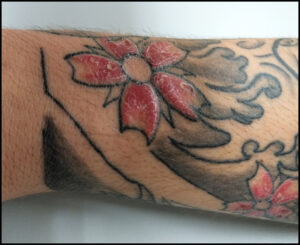
Figure 1. Red tattoo allergy on the lower arm.
Multiple erythematous infiltrated plaques confined to the red pigment of the tattoo.
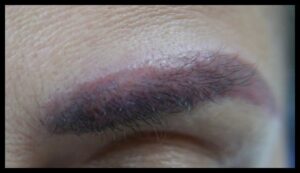
Figure 2. Allergic reaction to permanent makeup of the eyebrows.
Erythematous infiltrated plaques confined to the pigmented areas of the eyebrows following cosmetic tattooing.
What is the cause of the allergy?
The exact cause of allergic reactions to tattoo ink is not yet fully understood. In the case of red ink, it is believed that certain azo pigments may gradually break down in the skin into smaller particles over time. This degradation may be influenced by factors such as sunlight. These smaller byproducts can subsequently trigger an immune response. For this reason, laser treatments, which also use light energy, may in some cases provoke or worsen an allergic reaction.
Because every immune system is different, it is currently not possible to predict who will develop an allergic reaction or when it might occur.
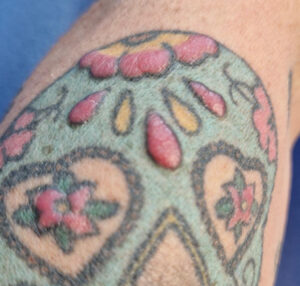
Figure 3. Red tattoo allergy on the lower arm.
Multiple erythematous infiltrated plaques confined to the red pigment of the tattoo.
Treatment
Treatment can be complex, and a complete or permanent solution is not always possible. Depending on the severity and the clinical presentation, treatment may consist of ointments or creams, injections into the affected area, or CO₂ laser therapy. The most appropriate approach varies from person to person and is best discussed with a dermatologist who has experience in skin conditions related to tattoos.
Note: In some cases, an allergy may be induced by laser tattoo removal, most likely due to breakdown products of the tattoo pigments. In such situations, it is advisable to discontinue Pico or Q switched laser treatments.
Other allergies
It is important to understand that allergic reactions are not always caused by the tattoo pigment itself. In some cases, the immune response may be triggered by other substances in the ink, such as additives, stabilizers, or preservatives. These components can sometimes cause a temporary allergic reaction in the treated area.
In addition, allergic reactions may be related to the materials used during the tattooing process. For example, individuals with a latex allergy may react to the latex gloves worn by the tattoo artist.
Allergic reactions can also result from tattoo aftercare products. These reactions usually present as redness, scaling, itching, or irritation of the surrounding skin. Possible triggers include fragrances, preservatives, and wool alcohols, among other commonly used cosmetic ingredients.
All content and images on this website are protected by copyright. Medical photographs are published with the patient’s consent. Reproduction or distribution without prior written permission is prohibited.